The Employment Reality for People with Intellectual Disability
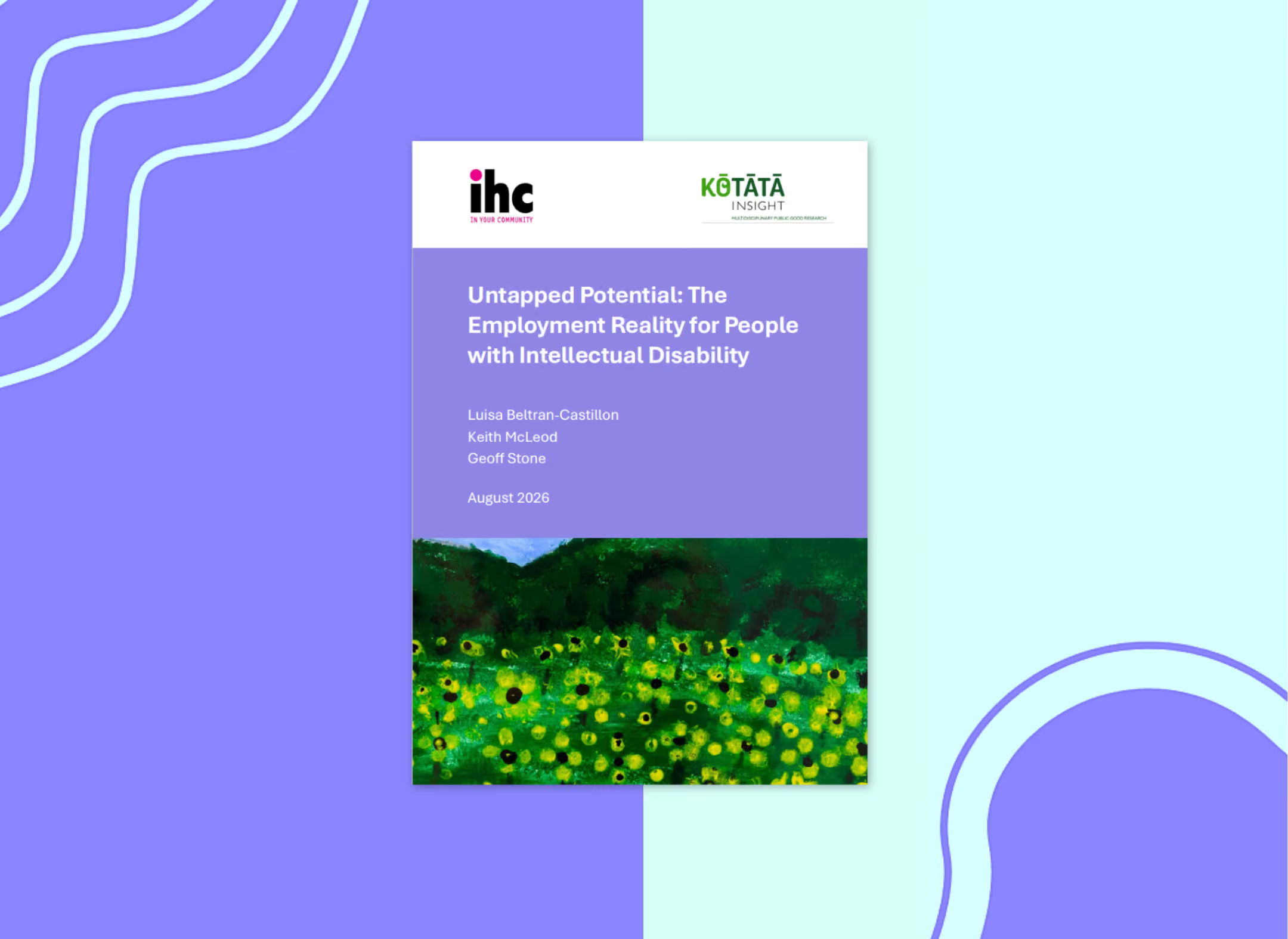
Untapped Potential: The Employment Reality for People with Intellectual Disability combines national employment, tax, and survey data with the lived experiences of people with intellectual disabilities and their families. While the report reveals a stark picture of employment discrimination and income inequity, it also provides practical solutions to help thousands more people into meaningful work.
The research shows employment has a profound impact on people with intellectual disabilities, providing identity, belonging, and pride and is linked to better health and wellbeing outcomes, as well as greater social connection, improved confidence, and stronger financial security.
Those benefits are experienced by only a small percentage of the intellectually disabled community. Just 26 percent of working-age people with intellectual disabilities are in paid employment, compared with 80 percent of people without intellectual disabilities. Of the people with intellectual disabilities who do work almost 60 percent earned less than the 2024 living wage.
The report identifies changes needed to improve employment outcomes, such as better school-to-work transitions, tailored employment support, education and support for workplaces to make accommodations, more inclusive employer practices, and policy settings that encourage workforce participation.
Key findings:
IHC Untapped Potential employment panel discussion
Alice's employment story

IHC National Office
Level 15, 57 Willis Street
Wellington
9am to 5pm
Monday to Friday


