Categories


My Voice – Mark Campbell, IHC Board Chair
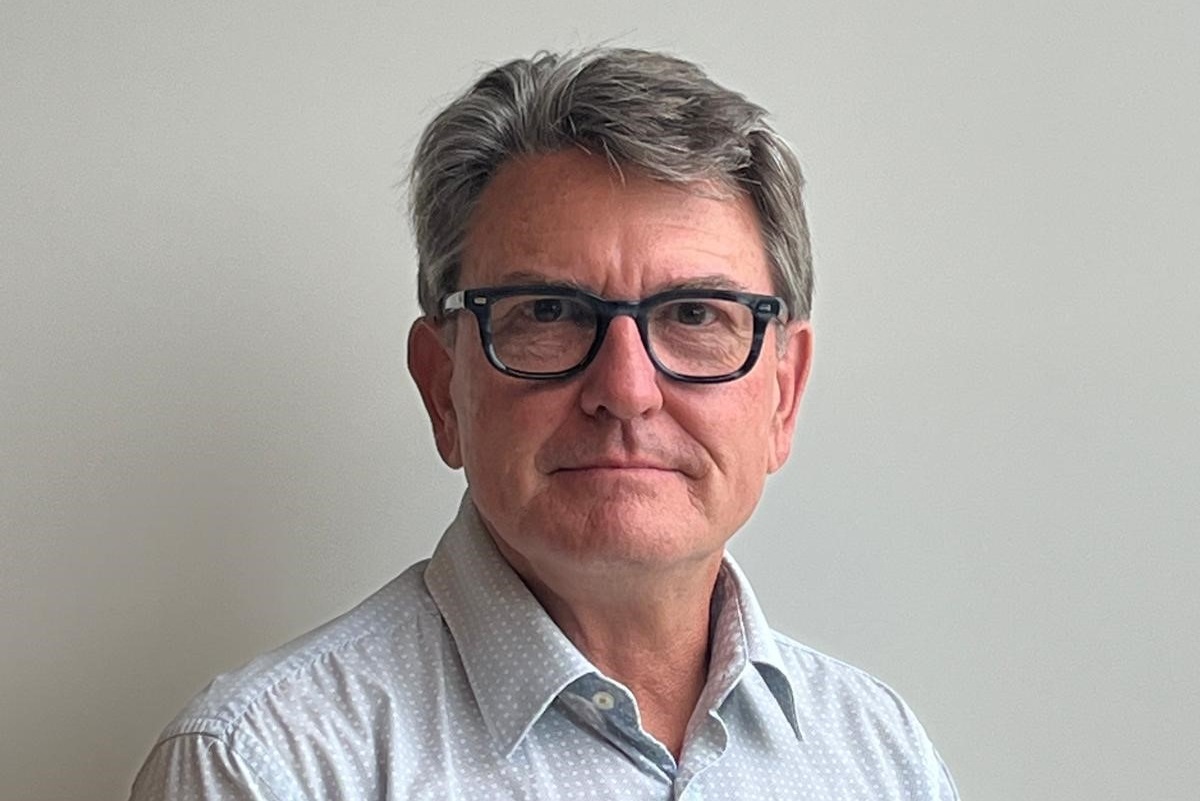
Incoming IHC Board Chair Mark Campbell, has been on the IHC Board for almost four years and has worked in the disability sector for twenty-five years. He has also worked as a trustee and a director in governance positions in the public and private sector. Mark lives in Auckland with his wife Jean and they have three adult children, including 27-year-old Harriet who has Rett Syndrome.
Where do you whakapapa to? Where did you grow up?
I was born and bred in Palmerston North. I went to Palmerston North Boys’ High School and then to Massey University to do a business degree.
What’s your ideal Saturday?
My daughter Harriet wakes early, so I usually have a one-on-one breakfast with her and my wife Jean gets to go and have coffee. We have breakfast, listen to some music and have a bit of banter. Then, because I’m a reasonably typical dad, I like to go to Bunnings and I’ll usually buy something I don’t need. The real reason I go there is to get a sausage with onions and sauce in white bread. There’s always a different charity raising funds and I like to meet the different characters who turn up.
Harriet has a therapy dog called Woody and he’s a big character in our house, so later maybe we’ll head to the park or the beach depending on the weather and who’s home. And then dinner – perhaps a BBQ or fish and chips for a treat.
What’s one of the most interesting things that has happened to you in your life?
I was very fortunate to live and work in Asia and as part of my work I had the chance to visit places I never would have gone to otherwise. Places like Laos, Myanmar and Mongolia. I was very lucky to experience the cultures, history and diversity of Asia. It’s always struck me as amazing. Having my family with me in Singapore meant we were able to provide our children with a richer cultural experience. They had friends from all over the world, and it’s made them good global citizens. I’ve treasured that for them.
What does New Zealand need to do better for people with intellectual disabilities?
We need to embrace intellectual disability as something every day and normal. Supporting someone with an intellectual disability is a community response not an individual one. It’s good for everyone when our communities engage with intellectual disability. The impact is broad and long lasting.
What do you hope to achieve as IHC Board Chair?
IHC has 76 years of rich history and heritage. I want to support our strategy and get the message out that we are here to support the good health, housing and wellbeing of people with intellectual disability. The reason we exist is to support people with intellectual disability and we need a purposeful approach – not a commercial one. But we do need to protect our organisation and have the people and financial resources so we can be here for the long haul.
It’s a marathon approach – to make good decisions in the short term that will see us fit and productive for the next 76 years.
What are you most proud of?
I’m proud of my daughter Harriet. I have three amazing kids who all have their own ups and downs but they don’t all face the daily mental and physical challenges she does.
Every day she wakes up smiling. Her life is very difficult, but she still finds happiness in those moments that matter.
She’s taught me patience and how to be resilient. It’s a very emotional roller coaster to share her journey and she is such a critical and important part of the family. We (the family) are all better people because of her.

This story was published in Strong Voices. The magazine is posted free to all IHC members.
Download PDF of Strong Voices issue