Categories


Thirty years of Sibling Camps: you’re not alone
Family outings are few and far between for nine-year-old Tui Baigent. And if the family does make it to the park they’ll often have to leave early. Tui’s younger brother Kahu has non-verbal autism and global developmental delay (GDD). He gets easily overwhelmed and overstimulated by noise and crowds.
For many children who have brothers or sisters with intellectual disabilities and/or autism, family life can be challenging. Outings are often complicated by the unique needs of a sibling, and plans may need to change at a moment’s notice.
“If anything involves queuing, like rides, we just can’t do it,” explains Tui’s dad Jack Baigent.
In 2024 Tui joined around 20 other children at El Rancho in Waikanae for one of Parent to Parent’s Sibling Camps which is part of the SibSupport NZ programme known as “Sib Camps”.
For the past 30 years, Parent to Parent Sib Camps supported by IHC have offered unique camps all over New Zealand for children like Tui. Created as both respite and support, the camps bring together children from eight to sixteen who all share the experience of having a sibling with additional needs.
“Siblings don’t often readily identify as carers, but they will likely have the longest relationship with a person who has a disability,” says Parent to Parent Chief Executive Karen Miles. “They may become the primary carer as a parent ages.”
Karen says SibSupport has become a vital Parent to Parent service and its impact on youth, whānau and communities is growing.
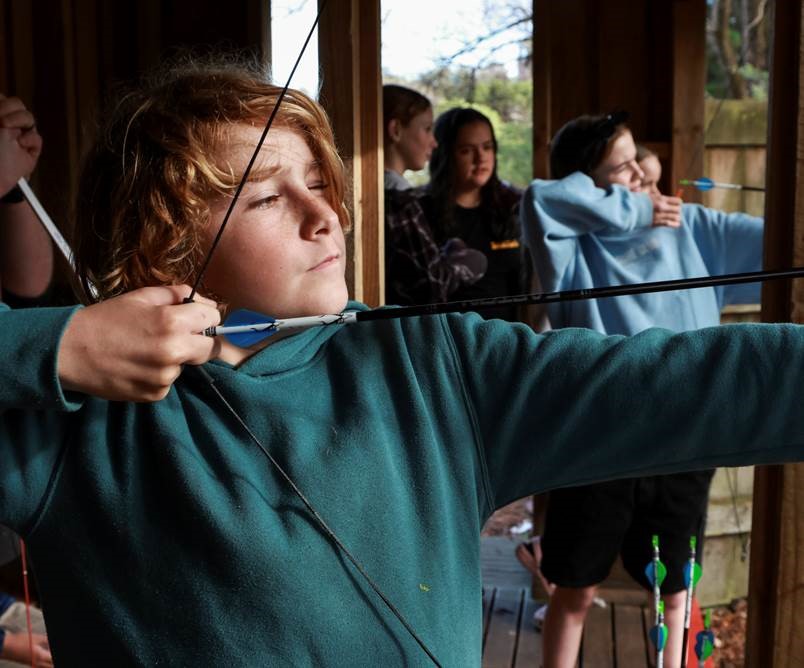
While the camps are filled with all the usual fun – sports, games and the outdoor activities you’d usually find at other children’s camps, Sib Camps also allow opportunities for conversations and for the kids to connect with others like themselves.
“SibSupport events help siblings discover they’re not alone,” says Karen. “They can talk through issues, and everyone gets a much-needed break.”
“Sometimes, the older kids especially really get stuff of their chests,” says Jack, who is also Parent to Parent’s Wellington Regional Coordinator. “But for other kids it was almost like they didn’t want to talk about the sibling at all. They just wanted to be completely normal for a bit. To not be known as that person’s brother or sister. To just be themselves in their environment.”
The camps are led by young facilitators or ‘Sib Leaders’ who are in their 20s and 30s and all of whom have a family member with special needs. Most of the Sib Leaders are Sib Camp veterans themselves and know the powerful experience of connecting with others in their situation.
“The burden on the sibling without the disability can be hard,” says Jack. “They can sometimes take on a lot of responsibility. Often siblings of those with high needs will have a maturity level well above their peers.”
The camps last over a weekend and the most recent ones have been in Manawatu and Bay of Plenty.
Parent to Parent also offers Sib Shops, which are one-day workshops that provide additional spaces for fun, connection and community.
Over the years, Sib Camps have helped foster friendships, build resilience and offer practical tools for coping.
Jack would love to see much more regular Sib Camps and Sib Shops around the country, but funding is the biggest obstacle to this.
The difference the camps make is clear though. For some, attending Sib Camp is the first time they’ve met others who share their experience. The sense of belonging and acceptance can have a lasting effect and make burdens feel lighter.
For Tui, the camp was a ten out of ten. As well as making lots of friends, she got to have unlimited fun.
“Mini golf was my favourite,” she grins, “and there was no leaving early.”
Caption: Activities at Sibling Camps.
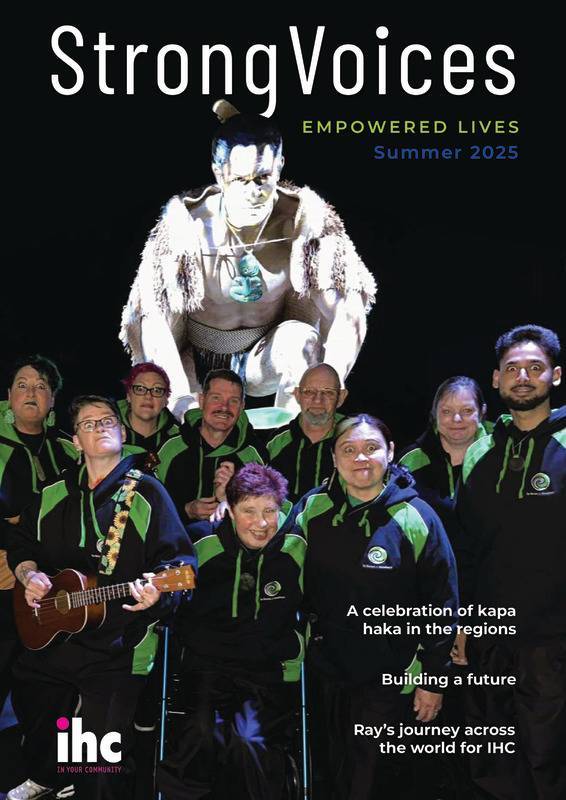
This story was published in Strong Voices. The magazine is posted free to all IHC members.
Download PDF of Strong Voices issue